
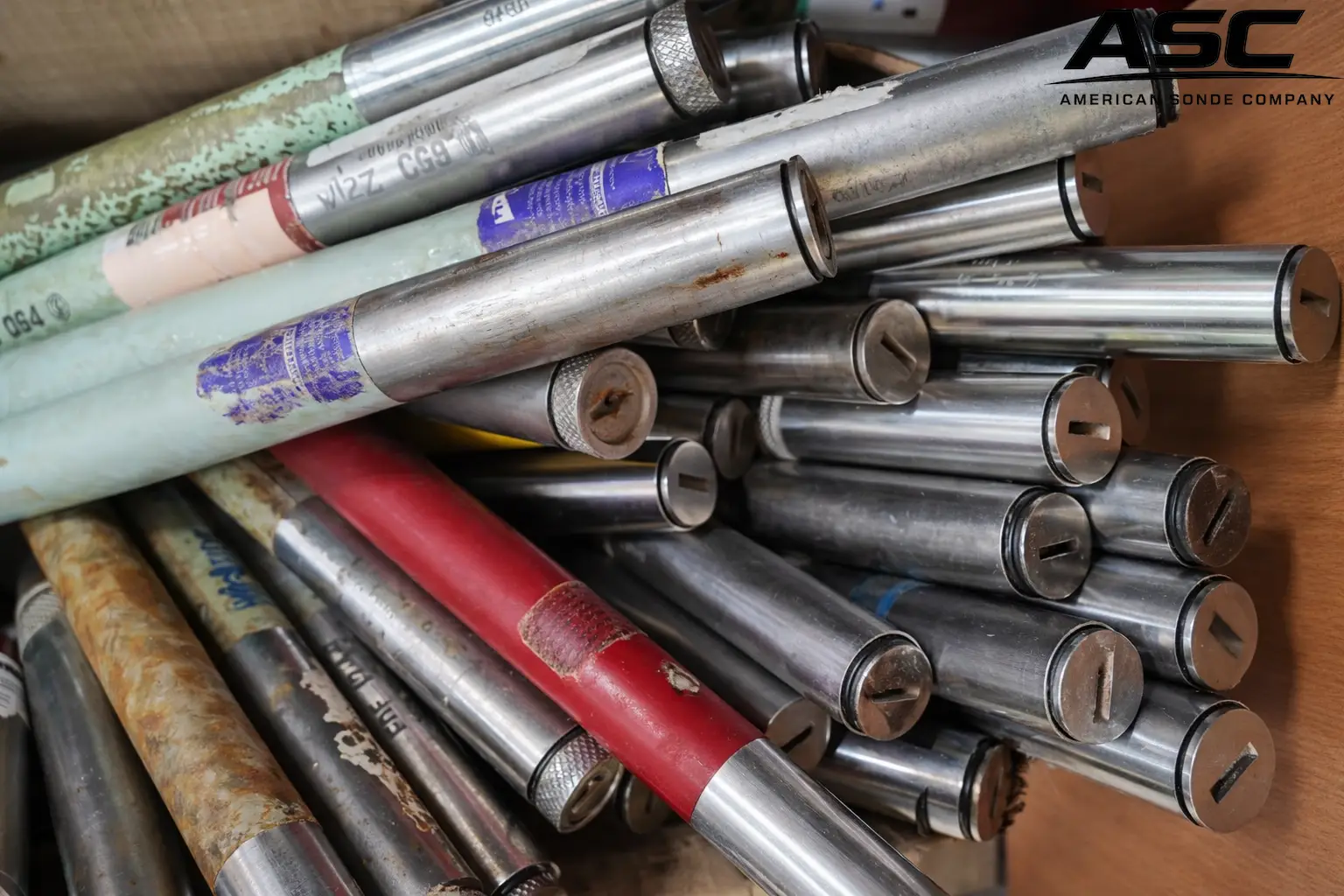
HDD transmitters are built to be rugged, but most transmitter failures don’t happen randomly. In many cases, damage is caused by preventable jobsite conditions or improper handling.
Overheating During Drilling
Excessive heat is one of the most common causes of transmitter failure. Long bores without adequate cooling, poor fluid circulation, or running transmitters outside their rated limits can permanently damage internal components.
How to avoid it:
Monitor drilling conditions closely, maintain proper fluid flow, and allow cooldown periods when necessary.
Physical Impact and Compression
Drops, hard impacts, or compression inside the boring head can crack housings, damage electronics, or misalign internal components. Even small drops can cause issues that show up later.
How to avoid it:
Handle transmitters carefully during installation and removal, and always ensure proper fit inside the drill head.
Electrical Damage
Using improper power sources, incorrect voltage, or incompatible equipment can lead to internal electrical failure. Independent repairs or unauthorized modifications can also cause permanent damage.
How to avoid it:
Only use approved equipment, avoid unauthorized repairs, and follow manufacturer-recommended operating guidelines.
Normal Wear vs. Sudden Failure
Not all failures are caused by misuse. Occasionally, a transmitter may stop working unexpectedly under normal operating conditions due to internal component failure.
What to do:
When this happens, professional testing and repair is the fastest way to determine whether repair or replacement is needed.
Final Thoughts
Most transmitter failures can be prevented with proper handling, correct operating practices, and regular inspection. Understanding the common causes helps extend equipment life and reduce unexpected downtime on the jobsite.