
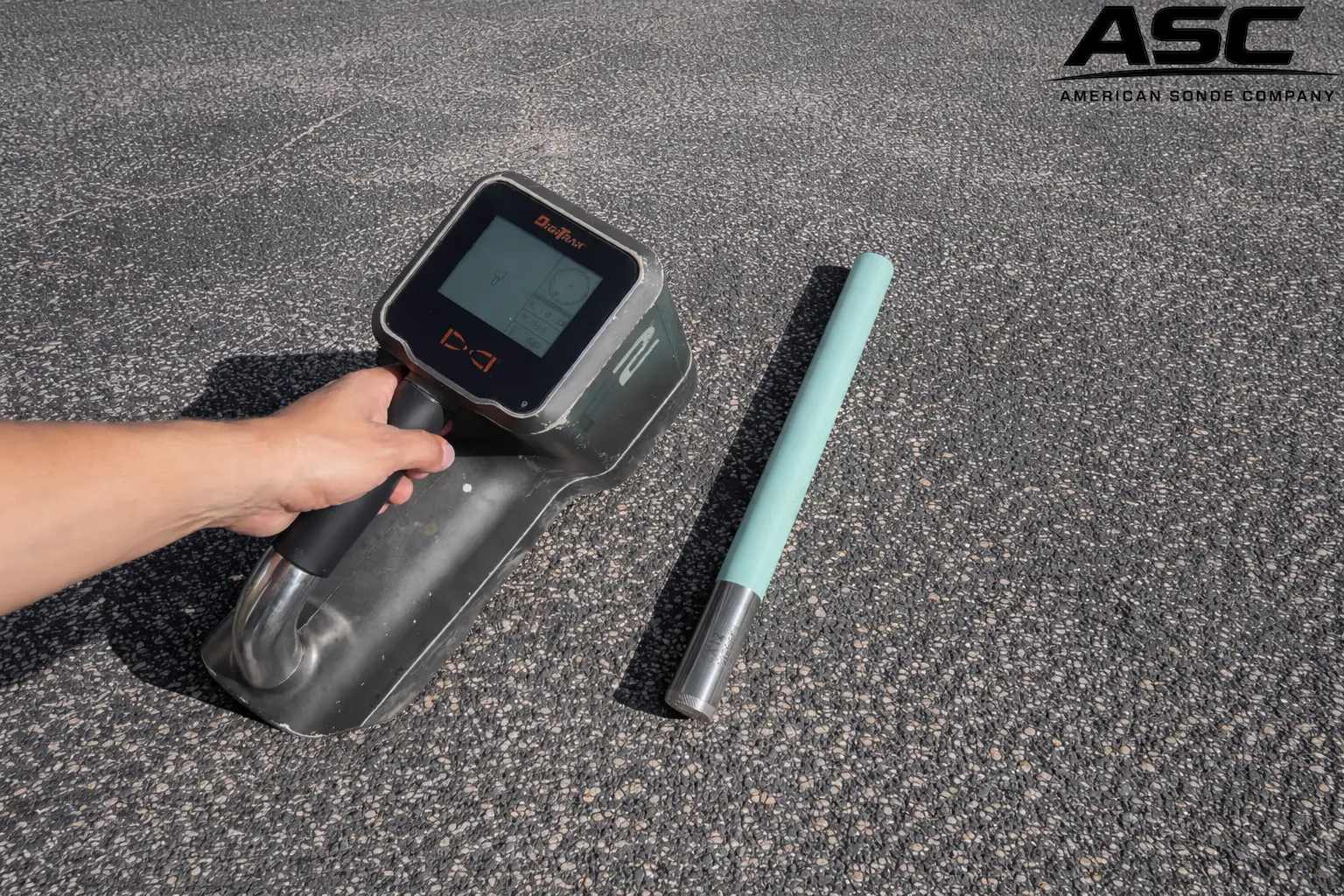
Horizontal directional drilling relies on accurate locating, and transmitter frequency plays a major role in how reliable that accuracy is. Choosing the right frequency isn’t about buying the most powerful option, it’s about matching the transmitter to real-world job conditions.
What Is Transmitter Frequency?
Transmitter frequency refers to the signal range used to communicate with the locator. Different frequencies behave differently underground, especially when interacting with soil type, moisture, and surrounding interference.
Lower-frequency transmitters generally travel farther and perform better at greater depths, while higher-frequency transmitters can offer quicker response and sharper resolution in short or shallow bores.
Low Frequency vs Higher Frequency
Lower frequencies (sub-kHz):
- Better penetration at depth
- Reduced signal distortion in difficult soil
- More stable readings over longer distances
Higher frequencies:
- Faster response in shallow applications
- Stronger signal close to the bore
- Can be more sensitive to interference
Neither option is “better” across the board. The right choice depends on the job.
Why Soil Conditions Matter
Ground conditions heavily influence frequency performance:
- Clay and wet soil can distort higher frequencies
- Rocky ground may reflect or scatter signals
- Urban environments increase electrical interference
Selecting an appropriate frequency helps maintain signal clarity and reduces time spent troubleshooting in the field.
Choosing the Right Frequency for the Job
When selecting a transmitter, consider:
- Expected bore depth
- Length of the drill path
- Soil composition
- Nearby electrical or metallic interference
Matching frequency to conditions improves accuracy, reduces downtime, and protects both equipment and productivity.
At ASC, we focus on offering new, field-ready transmitters designed to perform reliably across a range of jobsite conditions, so operators can focus on drilling, not signal issues.