
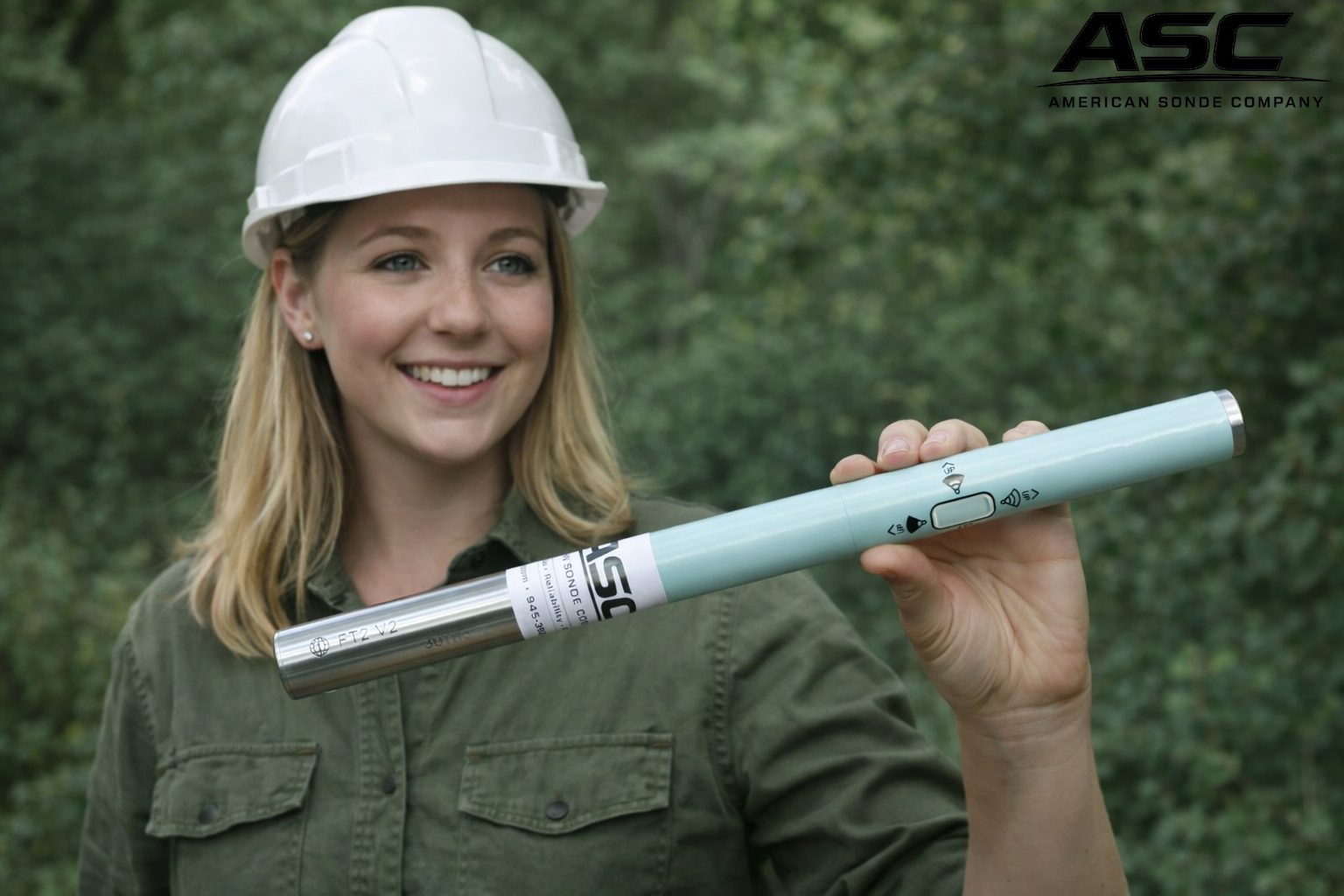
What Are Horizontal Directional Drilling Sondes
Horizontal directional drilling sondes are electronic transmitters placed inside the drill head that send real-time data to a receiver above ground. That data includes depth, pitch, roll, and position, allowing operators to track and control the bore path with precision. Without this system, you’re drilling blind, and blind drilling leads to errors, delays, and expensive consequences.
Why Horizontal Directional Drilling Sondes Are Mandatory
There’s no debate here. Horizontal directional drilling sondes are not optional, they are required for any professional drilling operation. Without them, you increase the risk of hitting underground utilities, losing alignment, and failing inspections. One mistake can shut down a project, trigger fines, or destroy your margin. With sondes, you maintain control, reduce risk, and keep the job moving forward without unnecessary corrections.
How Horizontal Directional Drilling Sondes Work
The system is simple but powerful. The sonde inside the drill head emits a radio frequency signal that is detected by a surface receiver. That signal is converted into real-time data, depth, angle, and orientation, which the operator uses to adjust the drilling path instantly. This continuous feedback loop is what makes precision drilling possible. Without it, you’re reacting too late or not at all.
7 Critical Advantages of Horizontal Directional Drilling Sondes
First, they provide real-time tracking, which gives immediate control over the drill path. Second, they increase accuracy, reducing the need for corrections and rework. Third, they lower the risk of utility strikes, which can cost more than the entire job. Fourth, they speed up completion times by eliminating unnecessary stops and adjustments. Fifth, they improve crew efficiency because decisions are based on data, not assumptions. Sixth, they enable data-driven drilling, allowing consistent performance across projects. And seventh, they reduce long-term costs by preventing mistakes that compound over time.
Types of Horizontal Directional Drilling Sondes
Different conditions require different tools. Standard sondes handle basic tracking but are limited in depth and performance. High-frequency sondes perform better in difficult soil conditions and environments with interference. Dual-frequency sondes offer flexibility by allowing operators to switch signals depending on conditions. Choosing the wrong type leads to weak signals, poor data, and avoidable problems during drilling.
How to Choose the Right Horizontal Directional Drilling Sondes
If you’re selecting horizontal directional drilling sondes, focus on performance, not price. Frequency compatibility matters because soil conditions affect signal transmission. Depth range matters because you don’t want to outgrow your equipment mid-project. Battery life matters because downtime kills productivity. Signal strength and compatibility with your receiver system are critical because inconsistent data leads directly to mistakes.
Common Mistakes When Using Horizontal Directional Drilling Sondes
Most failures come from poor execution, not bad equipment. Skipping calibration leads to inaccurate readings. Using the wrong frequency creates signal interference. Poor battery management can shut down a job mid-operation. And untrained operators turn a precision system into a liability. The tool only works if it’s used correctly.
Maintenance Tips for Horizontal Directional Drilling Sondes
Maintenance is basic but non-negotiable. Check batteries before every job. Clean the sonde after use. Store it properly to avoid damage. Test signal strength regularly and keep firmware updated if applicable. Neglecting maintenance leads to unreliable performance and unnecessary downtime.
Final Take on Horizontal Directional Drilling Sondes
Horizontal directional drilling sondes are the control system behind every successful HDD project. They eliminate guesswork, improve accuracy, and reduce risk across the board. If you’re serious about efficiency, safety, and profitability, you don’t treat them as optional – you treat them as essential infrastructure. Anything less is poor execution.