
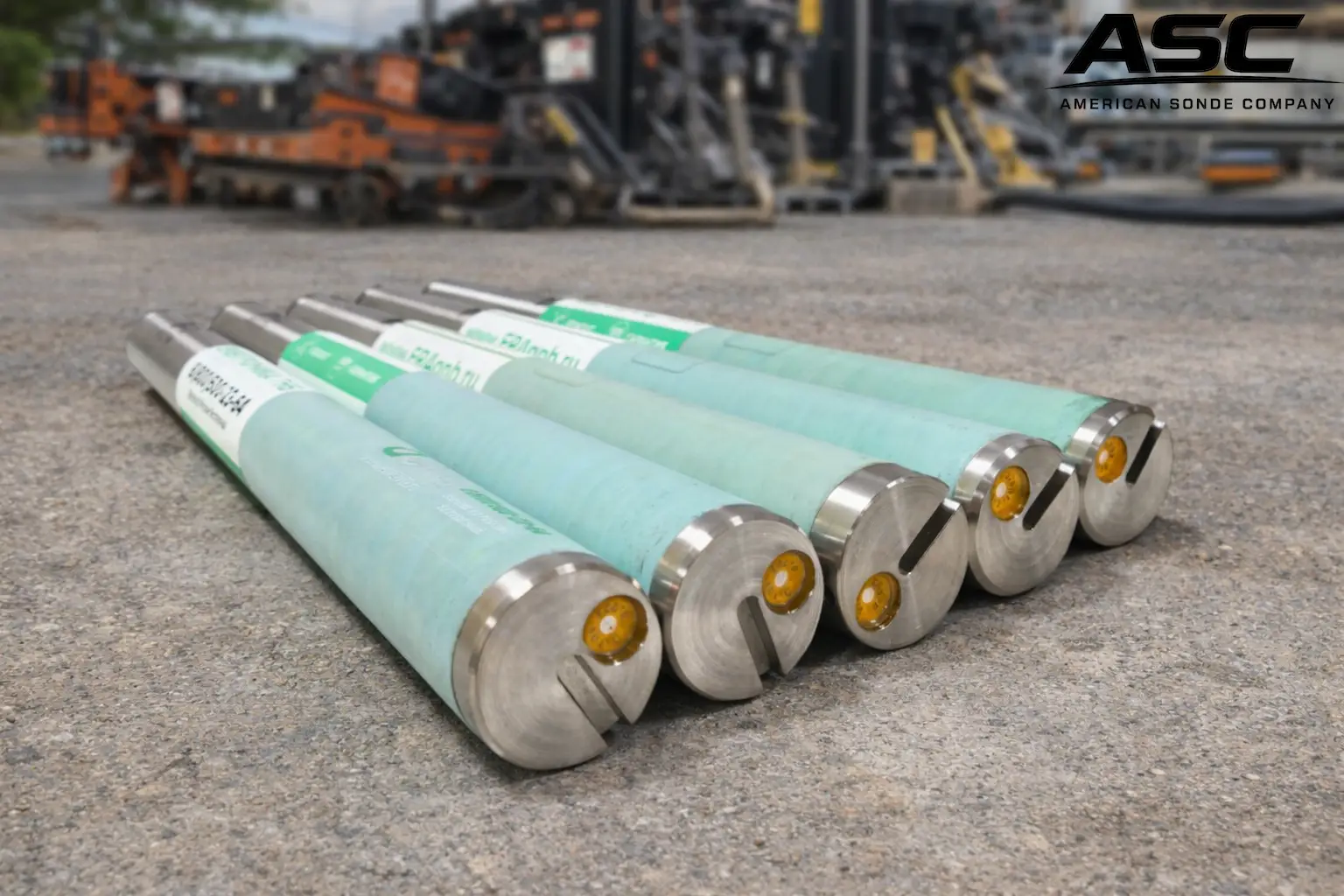
The debate between OEM vs independent suppliers is common in industries like horizontal directional drilling. In reality, independent equipment suppliers play a critical role in the industry, especially when transparency and specialization matter.
What Is an OEM?
An Original Equipment Manufacturer (OEM) designs and produces branded locating systems and accessories. OEMs typically sell complete systems and support a wide range of products.
What Does an Independent Supplier Do?
Independent suppliers specialize in specific components, such as transmitters, and focus on availability, testing, and service. Rather than producing full locating systems, they provide equipment designed to work with existing systems already in the field.
Key OEM vs Independent Suppliers Differences That Matter to Contractors
Independent suppliers typically offer:
- Focused product expertise
- Faster availability
- Clear compatibility information
- Specialized testing and quality control
OEMs typically offer:
- Full system ecosystems
- Proprietary branding
- Broader product lines
Both serve important roles – the difference is specialization versus scope.
About Compatibility (Without Confusion)
Independent suppliers do not claim to be OEMs. Equipment is described as compatible to clearly communicate intended use, not affiliation or endorsement.
OEM vs Independent Suppliers’ Compatibility simply means the transmitter is engineered to operate with specific locating systems under proper conditions.
Why This Matters
Clear distinctions protect contractors from confusion and help them make informed purchasing decisions. Transparency builds trust, and trust keeps jobs moving.
ASC operates as an independent supplier of new transmitters, focused on reliability, compatibility, and honest communication, so you always know exactly what you’re buying.